



Real Estate PPP Projects in Greater Noida: A Game Changer for Infrastructure Growth
Greater Noida has firmly established itself as one of the most promising real estate corridors in the Delhi-NCR region. With large swathes of well-zoned land, forward-looking master plans, and ambitious infrastructure projects, the city is witnessing a powerful transformation. Central to this transformation is the growing role of public-private partnerships (PPPs), particularly in real estate development a trend that is reshaping how land is used, infrastructure is delivered, and value is created. One company uniquely poised to take advantage of this PPP-driven growth is betogether, which combines public ambition with private execution to enable inclusive, large-scale urban development.
The Rise of PPPs in Greater Noida
Public-private partnerships in Greater Noida are not just a novelty they are rapidly emerging as the blueprint for sustainable development. The model works by synergizing government assets (such as land and regulatory support) with private-sector capital, design expertise, and project management. For Greater Noida, which has long benefited from planned zoning, expressway linkages, and future metro extensions, PPPs inject fresh momentum, enabling developers to launch large-scale integrated townships, mixed-use developments, and even civic infrastructure in ways that were once difficult with purely private capital.
From transit-oriented developments to institutional-grade townships, these PPPs reduce execution risk and accelerate infrastructure delivery. This model also brings public accountability and long-term planning into real estate ensuring that new housing and commercial areas are closely aligned with civic utilities, mobility, and social infrastructure.
How BeTogether’s Vision Aligns with Greater Noida’s Future
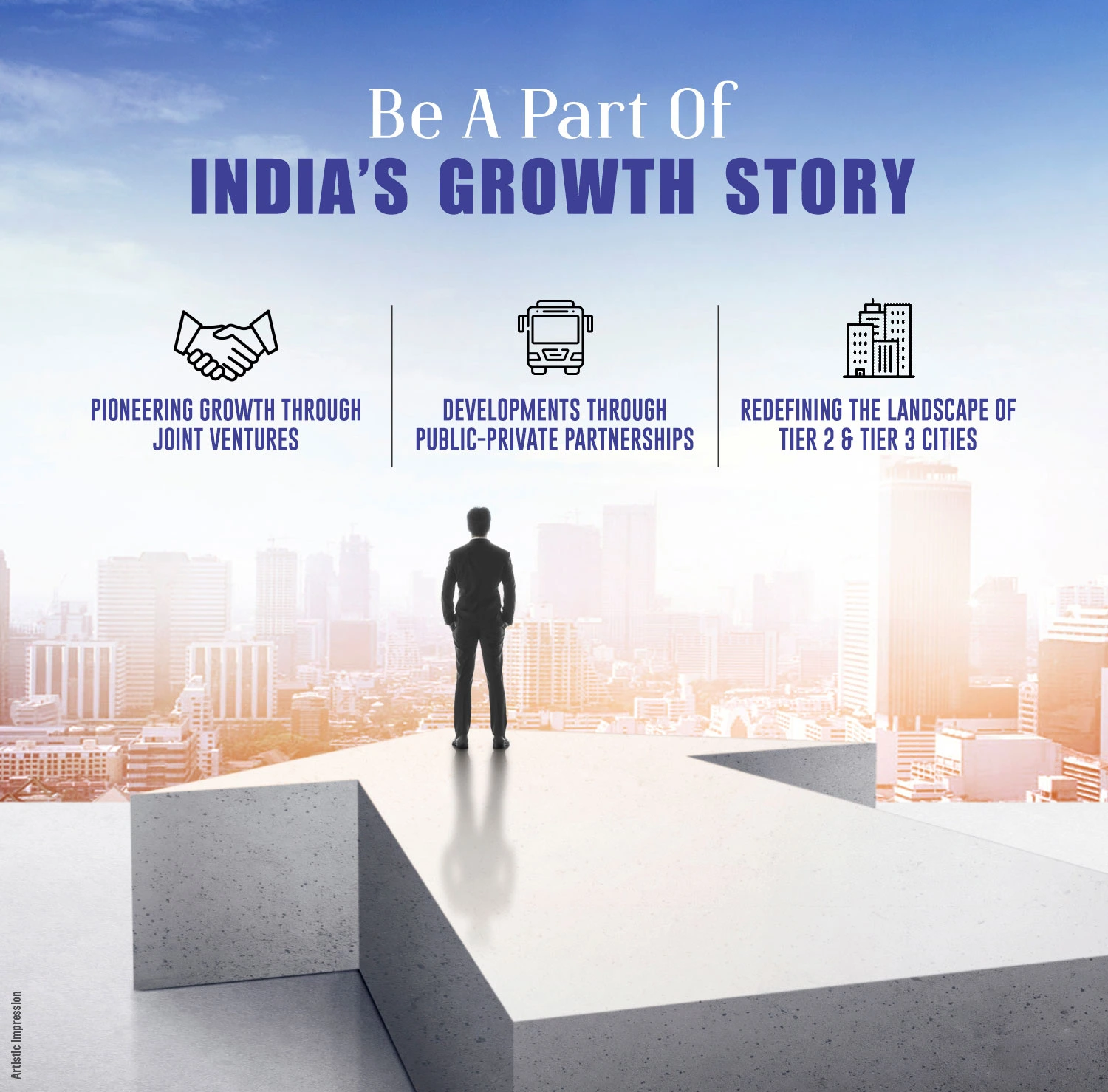
BeTogether is a new-age real estate venture (launched by a well-established firm) that specializes in joint ventures, joint developments, and revitalizing stalled or stressed projects. With its strong focus on collaborative growth, BeTogether can serve as a critical enabler in Greater Noida’s infrastructure-led transformation.
While BeTogether’s current initiatives include PPPs in transport hubs (such as modernizing bus terminals via a partnership with the state transport corporation), its core philosophy lends well to urban real estate development too. In Greater Noida, its partnership-driven model could facilitate smart townships, mixed-use developments, and integrated neighborhoods aligned with public infrastructure.
Public-private partnerships in Greater Noida become especially powerful when private developers bring capital, urban design, and speed of execution and partners like BeTogether are ideally structured to offer just that. By aligning with landowners, government agencies, and institutional stakeholders, they can unlock value in a way that purely private developers or purely public entities cannot. This creates a unique win-win: infrastructure gets built efficiently, and real estate development captures long-term value for both public and private partners.
Investor Implications: Why This Is a Strategic Opportunity
- Infrastructure Risk Mitigation
Investing in PPP-based developments reduces infrastructure risk. With public participation, key elements like roads, utilities, and civic amenities are planned and delivered in a more reliable manner reducing uncertainty for buyers and investors. - Speed and Scale of Delivery
PPP projects often benefit from faster approvals and streamlined processes, enabling large-scale projects to be completed faster. For investors in Greater Noida, this means quicker time-to-market and higher confidence in project execution. - Integrated Urban Offerings
When developers collaborate with public bodies, they can design integrated townships combining residential, commercial, recreational, and public-use spaces. Such holistic planning not only makes life more convenient for residents but also boosts long-term valuation. - Value Appreciation Potential
As Greater Noida matures with infrastructure such as metro lines, expressways, and institutional zones, land values rise. PPP projects, due to their strategic planning and execution efficiency, are often well-positioned to capture this upside. - Sustainable and Governance-Driven Models
PPP developments are subject to higher transparency and long-term obligation standards. Investors and homebuyers can benefit from stronger governance structures compared to typical speculative projects.
Challenges & Considerations
Despite the advantages, PPP-driven real estate development is not without challenges. Key among them are:
- Complexity of Stakeholder Coordination: Aligning government objectives, landowners, and private developers requires careful negotiation, governance, and shared vision.
- Regulatory and Approval Risk: Even with PPP frameworks, large-scale real estate ventures can face delays due to regulatory hurdles or changing policies.
- Longer Investment Horizon: PPP projects are often infrastructure-led and may follow longer development cycles; investors must be comfortable with relatively long gestation periods.
- Exit Strategy & Liquidity: Because of the integrated nature of these developments, resale or exit may require more sophisticated planning than in purely residential projects.
Why BetTogether Is a Game Changer for Greater Noida
BeTogether’s unique value proposition lies in its ability to bring all the right ingredients together: strong execution expertise, a legacy of real estate delivery, and an emphasis on partnership. Rather than competing as a typical builder, it acts as a catalyst facilitating projects that might otherwise struggle to take off, especially in PPP contexts.
In Greater Noida, this model could translate into:
- Revived township projects that seamlessly blend public and private infrastructure
- Mixed-use hubs anchored on civic facilities such as transport stations, commercial centers, and green spaces
- Greater participation from existing landowners who can realize value through joint development
- Accelerated planning and delivery backed by institutional funding and public mandate
By leveraging its experience in PPPs (like the bus terminal modernization mentioned earlier) and its established brand, BeTogether is well placed to help shape Greater Noida’s next-generation neighborhoods delivering not just homes but sustainable, high-quality urban communities.
Looking Ahead: The Future of PPP-Driven Real Estate in Greater Noida
Greater Noida’s strategic location, regulatory clarity, and infrastructure potential mean that its next phase of growth will likely be led by collaborative models. As PPP frameworks mature and private developers step in with vision and capital, real estate development can shift from fragmented, speculative builds to holistic, infrastructure-led ecosystems.
Companies like BeTogether, which are structured around partnership, trust, and delivery, are likely to play a pivotal role in this evolution. Their approach addresses the crucial components planning, finance, execution, and stakeholder alignment that make large-scale PPPs successful.
For investors, homebuyers, and landowners, the message is clear: aligning with a partner that understands both real estate and public infrastructure is no longer a luxury it’s a necessity in Greater Noida’s emerging growth story.
FAQs
What are real-estate PPP projects in Greater Noida?
These are development initiatives in Greater Noida where government bodies collaborate with private developers, sharing resources like land, approvals, and capital to build residential, commercial, or mixed-use infrastructure.
Why is Greater Noida an attractive market for PPP real estate?
Greater Noida offers large land parcels, strategic connectivity (metro, expressways), and supportive master planning all of which make it ideal for PPPs that combine long-term development with infrastructure delivery.
How does BeTogether contribute to PPP-driven development?
BeTogether specializes in forming joint ventures and joint developments to revive stressed or stalled projects. Its model aligns private execution capability with public infrastructure goals, making it an ideal partner in PPP projects.
What benefits do investors stand to gain in such PPP projects?
Investors benefit from lower infrastructure risk, faster delivery, integrated amenities, strong value appreciation potential, and better governance structures compared to standalone real estate projects.
What risks should one consider before investing in PPP real estate in Greater Noida?
Key risks include stakeholder coordination challenges, regulatory delays, longer project cycles, and liquidity constraints due to the integrated and large-scale nature of such developments.