

How Infrastructure Revamp for Stalled Projects Can Unlock Economic Potential
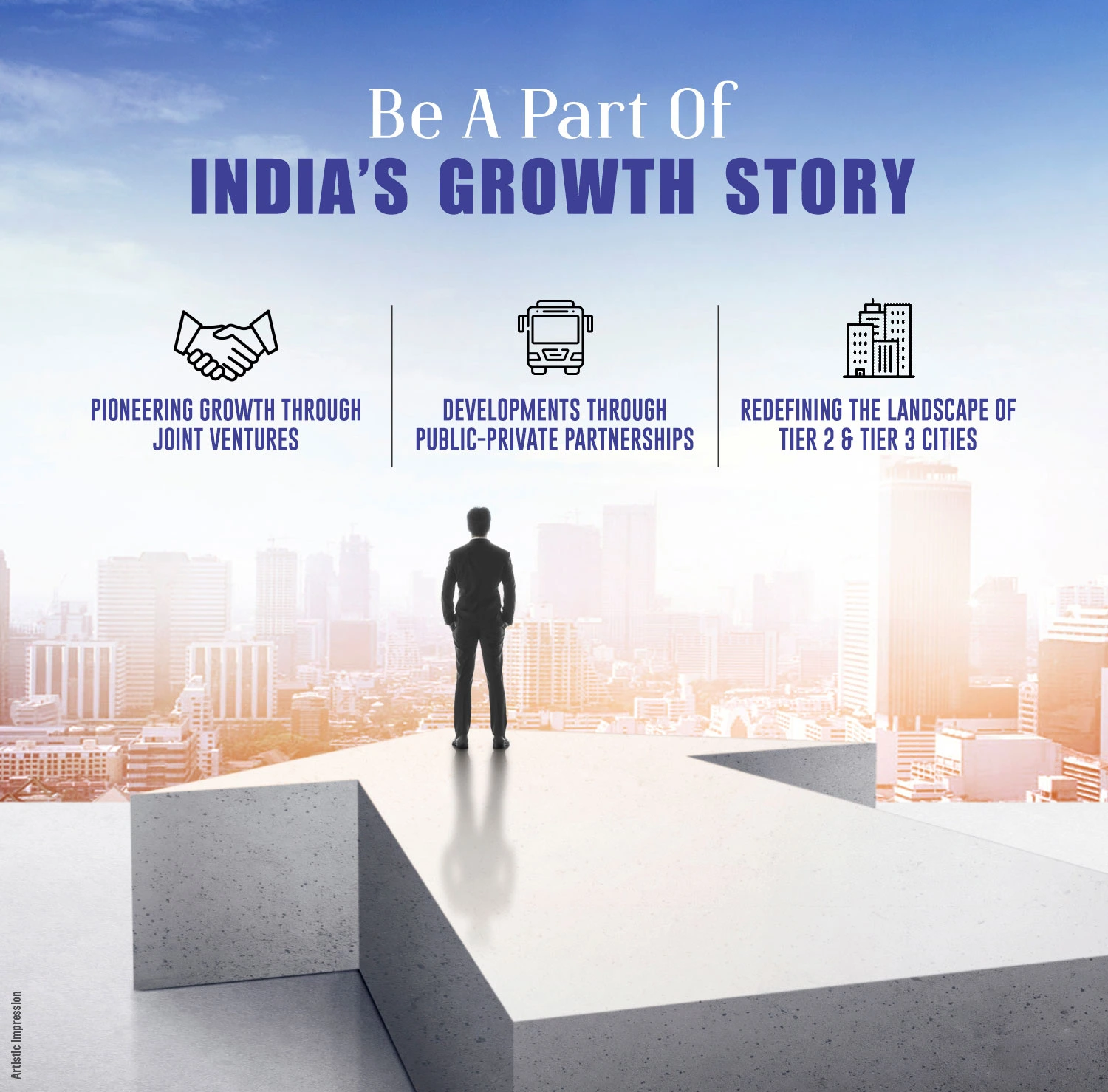
India’s growth story is closely tied to its infrastructure landscape. Yet across cities and fast-growing urban clusters, numerous projects remain incomplete, delayed, or abandoned due to financial hurdles, regulatory bottlenecks, or structural challenges. These stalled assets, rather than serving communities and contributing to progress, often become barriers to development. This is where a focused approach to reviving them can become transformative because infrastructure revamp for stalled projects is not merely about construction; it is about unlocking new cycles of economic activity.
Urbanization in India is accelerating rapidly, especially in Tier-2 and Tier-3 cities. As populations expand and mobility needs increase, the demand for robust, modern infrastructure has never been greater. When projects stall, not only does capital remain locked, but entire communities lose access to better facilities, businesses lose opportunities, and regional economies slow down. A structured revival mechanism ensures these delays can be reversed, and untapped possibilities can be brought back to life.
BeTogether has emerged as a catalyst in this domain by designing collaborative models that enable completion, modernization, and productive utilization of such projects. By integrating public-private partnerships, development expertise, and shared-value structures, the company turns dormant assets into high-performance infrastructure that supports long-term economic progress.
Why Stalled Projects Hold Immense Potential
Stalled projects represent sunk investments in land, approvals, partially built structures, and planned utilities. Reviving them can deliver faster results than building entirely new projects, as most groundwork is already in place. Instead of starting from scratch, developers can channel resources into optimizing what already exists.
By focusing on infrastructure revamp for stalled projects, regions can accelerate benefits such as:
- Rapid job creation during construction and post-completion operations
- Improved mobility and access for residents and businesses
- Higher land value appreciation due to upgraded surroundings
- Better use of public assets like terminals, transport hubs, and community spaces
- Increased investor confidence when visible progress resumes
- Sustainable utilization of resources, reducing the need for fresh land acquisition
Unlocking this potential requires expertise, financial capability, and collaboration all elements that determine whether a stalled project can truly transition into a productive asset.
Collaborative Development as a Solution
One of the biggest reasons projects stall is the lack of alignment between stakeholders landowners, authorities, investors, and developers. A collaborative approach breaks this deadlock. Through models like joint developments (JDs), joint ventures (JVs), and public-private partnerships (PPPs), risks are distributed and responsibilities are clearly defined.
This not only accelerates completion but also ensures long-term sustainability. When stakeholders share the vision and the outcome, execution becomes more streamlined, and transparency increases. For public infrastructure such as terminals, community facilities, and transport projects PPP frameworks ensure that large-scale undertakings are financially viable while still being citizen-centric.
Transforming Urban Mobility Through Modernized Public Assets
Public transport terminals, bus stands, and mixed-use facilities often represent the backbone of urban mobility. However, many of these assets across India suffer from outdated design, overcrowding, and a lack of modernization.
Revamping such structures goes beyond aesthetics. It ensures:
- Improved commuter experience
- Efficient circulation and safety
- Integration of digital systems
- Revenue generation through commercial zones
- Enhanced connectivity to other public infrastructure
When modern terminals and transit infrastructure replace ageing assets, the impact reverberates through the entire region. Footfall increases, businesses flourish, and surrounding real estate becomes more valuable. This is a strong example of how infrastructure revival directly influences economic vibrancy.
Economic Ripple Effects of Revived Projects
Revamped infrastructure acts as a multiplier. From the moment redevelopment begins, jobs are created not only in construction but across supporting industries like materials, transport, logistics, and design. Once the project is operational, more avenues open up, including retail, services, hospitality, facility management, and local entrepreneurship.
The long-term benefits include:
- Sustained commercial activity
- Attraction of new investments
- Growth of micro-economies around the revived site
- Reduced urban congestion due to improved planning
- Higher quality of life for residents
For fast-growing cities, these ripple effects can shape the future of the local economy, making them more competitive and livable.
Driving Growth in Emerging Cities
India’s next wave of development is happening beyond metros. Smaller cities are seeing a surge in population, commerce, and mobility requirements yet infrastructure in these places often lags behind. Reviving stalled or outdated assets ensures these cities don’t lose economic momentum.
Modern bus terminals, community spaces, integrated complexes, and commercial hubs become catalysts that elevate the entire urban environment. They attract businesses, improve travel efficiency, and create vibrant, self-sustaining ecosystems.
BeTogether plays a key role in this transition by collaborating with authorities and landowners to bring high-quality infrastructure to these regions, ensuring development reaches places that need it most.
Conclusion
Stalled projects are not dead ends they are dormant opportunities waiting for the right vision. With strategic collaboration, modernization, and efficient execution, these assets can be revived to fuel economic growth, enhance connectivity, restore investor confidence, and uplift communities.
As India continues to grow, the intelligent revival of incomplete infrastructure stands out as one of the most powerful pathways to unlocking economic potential. Companies like BeTogether exemplify how a structured, partnership-driven approach can breathe new life into these assets and reshape the urban landscape for a stronger future.
FAQs
What causes infrastructure projects to stall in India?
Common reasons include regulatory delays, financial issues, land disputes, and lack of coordination among stakeholders.
How does revamping stalled projects contribute to economic growth?
It unlocks sunk investments, generates employment, enhances connectivity, and boosts commercial activity.
Why is collaboration essential in reviving stalled infrastructure?
Collaboration aligns priorities, distributes risks, and ensures smoother execution through shared expertise.
What types of projects benefit most from targeted revamp efforts?
Public transport terminals, community facilities, commercial complexes, and partially-built real estate projects.
How does modernizing public infrastructure enhance urban mobility?
It improves safety, accessibility, digital integration, and commuter comfort while supporting business growth.