



How PPP Project Collaboration in India Is Reshaping Infrastructure Development
Public-Private Partnerships have become one of the most transformative forces driving modern infrastructure development in India. Known globally for its rapid economic transformation, India has embraced the collaboration between government bodies and private entities to fund, design, and execute large-scale infrastructure projects that were once deemed too costly, complex, or bureaucratic to complete solely with public funds. Among the new players championing this approach is Betogether, a venture committed to unlocking growth and revitalizing infrastructure through strategic partnerships that span both public and private sectors.
What Is PPP Project Collaboration India?
Before we explore the impact, it’s important to understand what “PPP project collaboration India” signifies. In simple terms, Public-Private Partnership (PPP) refers to a contractual agreement between a government agency and a private company where the two parties share resources, risks, responsibilities, and rewards to deliver public infrastructure or services. These partnerships combine public oversight and private sector efficiency to deliver projects faster, with greater accountability and technology infusion.
India’s policy environment over the last decade has actively supported PPP frameworks to build world-class roads, airports, transit hubs, ports, power plants, and social infrastructure. The institutional push led by bodies such as the Infrastructure Finance Secretariat under the Department of Economic Affairs standardizes procedures, provides financial instruments like Viability Gap Funding (VGF), and streamlines approvals to make PPPs a preferred execution model.
Why PPP Models Are Central to India’s Growth
Traditional, fully government-funded models often suffer from budget constraints, long gestation periods, and execution delays. The PPP approach effectively overcomes these barriers by mobilizing private capital, engineering expertise, and project management capabilities. This strategic collaboration allows India to finance and implement infrastructure projects at a scale and speed that would be impractical with public financing alone.
Moreover, PPP models transfer certain project risks such as construction delays, cost escalation, and performance failures to private partners who are typically better equipped to manage these challenges. Shared risk arrangements incentivize robust planning, high-quality execution, and superior long-term performance which ultimately benefits citizens and investors alike.
Betogether’s Role in the PPP Transformation
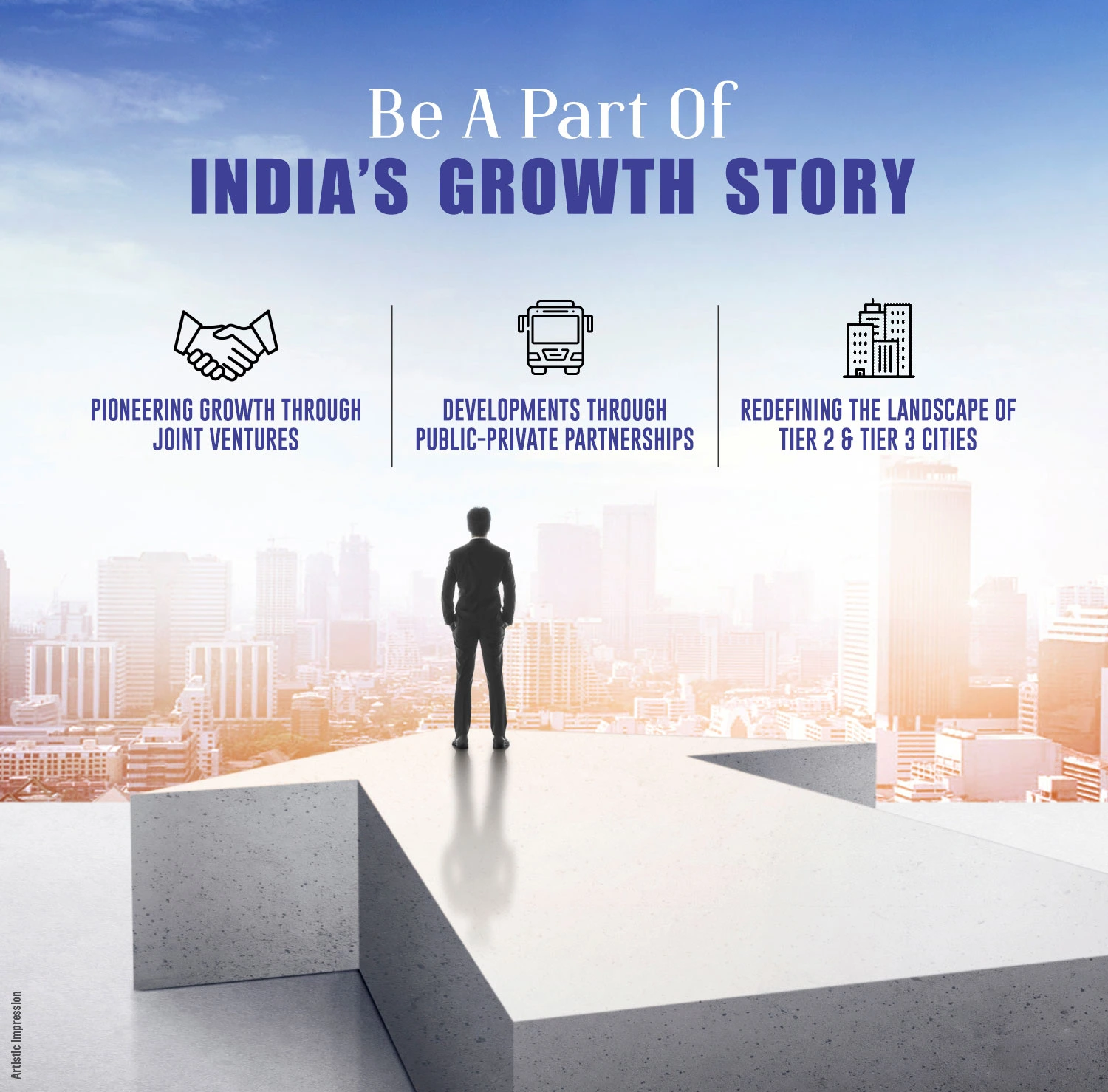
Betogether is a unique example of how private firms are pioneering the PPP movement in India. It focuses on joint ventures, joint developments, and public-private partnerships to deliver infrastructure that is socially relevant, economically viable, and future-ready.
One of the most notable PPP endeavors led by Betogether is its collaboration with the Uttar Pradesh State Road Transport Corporation (UPSRTC) to modernize key bus terminals in major cities such as Lucknow, Ghaziabad, Ayodhya, and Prayagraj. These projects collectively valued at around ₹2,700 crore are expected to generate substantial revenue while revitalizing urban transport infrastructure.
By integrating modern amenities like digital ticketing, climate-controlled waiting lounges, escalators, retail zones, and efficient commuter systems, these terminals are transforming from mere transit points into vibrant public spaces that enhance mobility and local economic activity.
How PPP Project Collaboration India Brings Value
- Accelerated Project Delivery:
One of the biggest advantages of PPP frameworks is the accelerated pace of project execution. Private capital injection, advanced procurement systems, and disciplined project management shorten construction timelines significantly compared with traditional public models. - Enhanced Quality and Accountability:
With performance benchmarks integrated into contracts, private partners have greater incentives to meet deadlines, quality standards, and maintenance requirements. This accountability ensures infrastructure remains durable and functional over the long term. - Shared Financial Burden:
Large public infrastructure projects require significant capital. PPPs reduce the financial burden on government budgets by involving private sector investment, often supplemented with tailored financial instruments like VGF and long-term loans. - Innovation and Technology Infusion:
The private sector typically brings cutting-edge technology, innovative construction techniques, and efficient operational tools. These improvements make public utilities not only robust but also future-ready. - Local Economic Development:
Projects executed under PPP models especially those involving transport, urban renewal, or civic infrastructure tend to generate jobs, boost commerce, and stimulate ancillary industries. They create economic multipliers that benefit local communities.
Sectoral Impact Across India
PPP collaboration has taken root across multiple sectors from roads and highways to ports, airports, railway stations, and even eco-tourism facilities. These models enable sustainable infrastructure financing and delivery while ensuring public accessibility remains at the forefront.
As India continues its urbanization journey, PPP frameworks are expected to play an increasingly vital role. With projects under the National Infrastructure Pipeline emphasizing private participation, India’s capacity to deliver world-class infrastructure is expanding rapidly.
Key Challenges and Solutions
Although PPP models have witnessed success, they are not without challenges. Common concerns include aligning public expectations with commercial viability, negotiating fair risk-sharing terms, and ensuring transparency in contract management. These issues can be mitigated through expert consultation, clear contractual frameworks, rigorous performance monitoring, and stakeholder engagement throughout the project lifecycle.
The Road Ahead
The future of infrastructure in India lies in strategic collaboration. Whether it’s modern transit hubs, smart city components, or mixed-use urban developments, PPP project collaboration India will continue to be a cornerstone of progress. Initiatives like those taken by Betogether illustrate how innovative PPP models can reshape not just cities, but entire regions, making infrastructure development more responsive, adaptive, and inclusive.
With continued policy support, investor confidence, and collaborative energy between government and private entities, PPPs are poised to unlock India’s full infrastructure potential delivering benefits for citizens, economies, and the environment alike.
Frequently Asked Questions
What is PPP project collaboration India?
PPP project collaboration India refers to strategic partnerships between government agencies and private sector firms to jointly design, finance, build, and operate public infrastructure projects.
How do PPP models benefit infrastructure development?
PPP models bring private capital, managerial expertise, and technology to public projects, accelerating delivery, enhancing quality, and reducing the financial burden on governments.
What types of projects are being developed through PPP partnerships in India?
Across India, PPP projects include highways, airports, ports, urban transit systems, railway renewals, power generation, eco-tourism, and civic infrastructure.
What role does Betogether play in PPP infrastructure projects?
Betogether actively engages in joint ventures and public-private partnerships to modernize infrastructure like bus terminals, enhance urban connectivity, and revitalize stressed real estate projects.
Why are PPP frameworks critical for India’s growth?
They mobilize private investment for public projects, share risks, improve operational efficiency, and help bridge the infrastructure gap while fostering economic development.