



The Rise of Leading PPP Companies in India: A New Era of Infrastructure
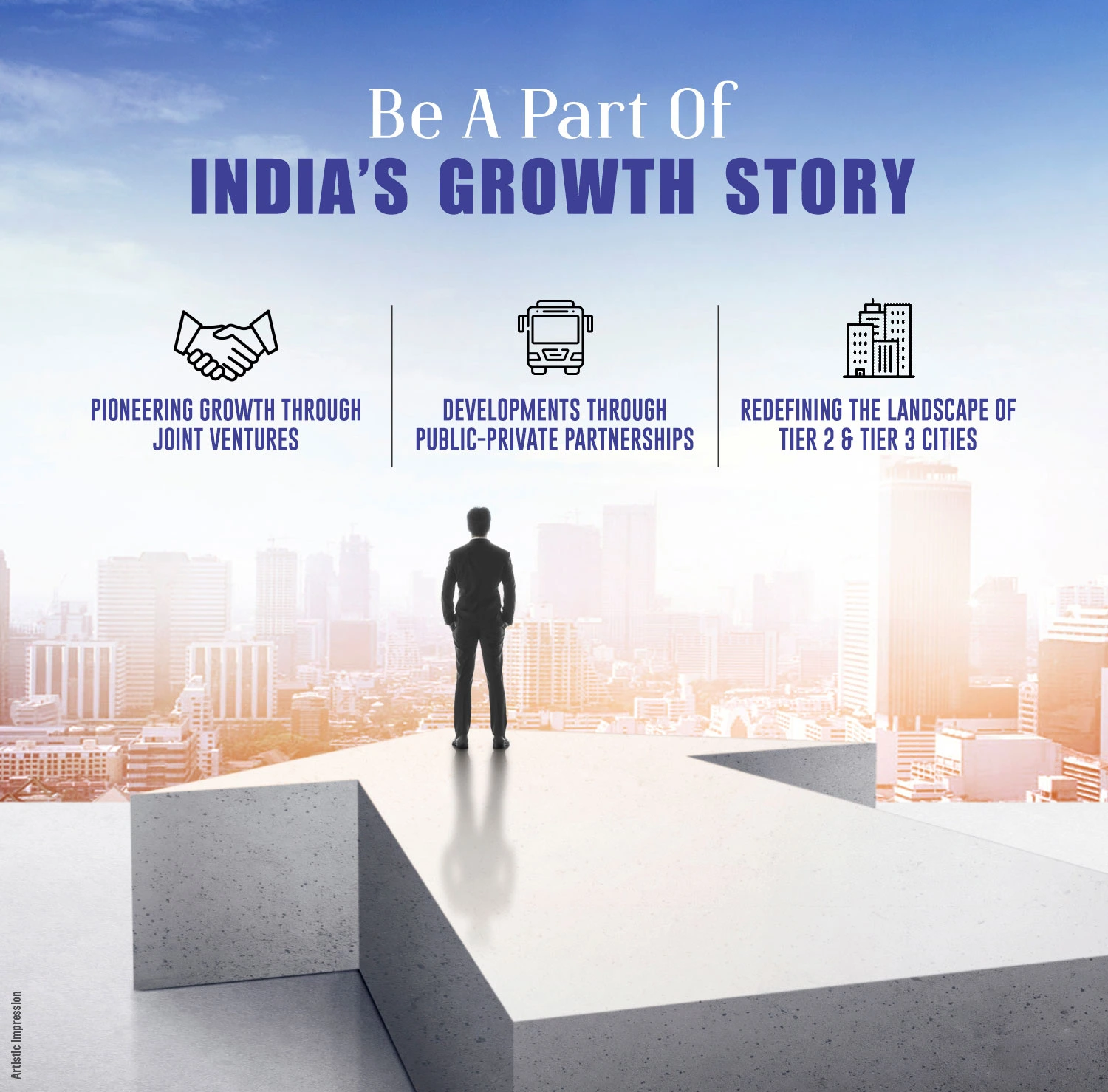
India’s infrastructure story is rapidly evolving. With increased investment in roads, railways, ports, urban transit, and public services, the role of collaborative development has become more important than ever. Public-Private Partnerships (PPPs) have emerged as major drivers of this transformation, enabling high-impact projects that unite government vision with private-sector efficiency. Among the organisations shaping this new era is Betogether, a strategic venture focused on joint ventures, joint developments, and public-private partnerships that are redefining how infrastructure gets developed across the country.
What Are PPPs and Why They Matter
A Public-Private Partnership (PPP) model is a cooperative arrangement between a government entity and a private organization that pools resources, expertise, and risk to deliver infrastructure projects. In India, where infrastructure needs span mega-scale highways, transport hubs, smart cities, and civic amenities, PPPs offer a balanced solution: governments bring regulatory backing and oversight, while private partners contribute capital, management talent, and execution capabilities. This model accelerates delivery, increases accountability, and improves economic outcomes.
Over the past decade, India has witnessed an expansion of PPP engagements from national highways to urban transit systems making leading PPP companies in India indispensable players in the country’s growth trajectory. They are not only building assets, but also contributing to job creation, enhanced connectivity, and regional development.
Betogether: A New Force in Public-Private Partnerships
Betogether is a relatively recent entrant in India’s infrastructure landscape, created with a mission to spearhead joint ventures (JVs), joint developments (JDs), and PPP projects that address urban and regional infrastructure gaps. With a projected investment pipeline exceeding ₹2,800 crore and an anticipated revenue run-rate exceeding ₹5,000 crore, Betogether’s strategy involves collaborating with landowners, government agencies, and investors to modernise infrastructure while unlocking value.
This approach reflects a broader shift in the industry: infrastructure development is no longer purely about construction, but about creating sustainable ecosystems. That includes enabling mobility, public utilities, commercial growth, and community-centric urban spaces.
How Betogether Is Transforming Infrastructure
One of the most visible ways Betogether is shaping infrastructure is through large-scale PPP projects with government partners. For example, the company has been entrusted with modernising six major bus terminals in Uttar Pradesh including Ghaziabad, Lucknow (Gomti Nagar and Amausi), Prayagraj, Kaushambi, and Ayodhya under a PPP agreement with the Uttar Pradesh State Road Transport Corporation (UPSRTC). These upgrades include modern transport infrastructure complete with digital ticketing systems, air-conditioned lounges, escalators, commercial zones, and enhanced security features.
This project exemplifies the impact PPPs can have: transforming public transport hubs into vibrant, multi-functional urban spaces that serve commuters, generate commercial opportunities, and enhance regional accessibility. It’s a model that goes beyond traditional infrastructure, blending civic amenities with economic growth initiatives.
Why Leading PPP Companies India Are Important
India’s infrastructure landscape faces complex challenges from rapid urbanisation and high population density to sustainable development and financing bottlenecks. This is where leading PPP companies in India come into play. They help bridge resource gaps by:
- Sharing Financial Burden – PPPs distribute investment responsibilities between public and private entities, reducing the strain on government budgets.
- Driving Efficient Execution – Private partners bring technical expertise and project management discipline that can accelerate timelines and reduce cost overruns.
- Enabling Innovation – Competitive PPP bids often include innovative solutions that improve usability, sustainability, and long-term viability of infrastructure assets.
- Boosting Local Economies – Infrastructure projects generate employment, stimulate local businesses, and support ancillary industries all contributing to broader economic growth.
- Enhancing Quality of Life – Modern infrastructure from transport hubs to public utilities directly improves living standards and urban mobility for citizens.
By aligning public policy goals with private sector execution power, leading PPP companies help ensure that developmental objectives are met without compromising on quality or timelines.
The Shift Toward Inclusive Urban Development
The PPP model is especially relevant in urban and peri-urban regions where infrastructure demand is high and citizen expectations are evolving. Rapidly growing cities need transport networks, water distribution systems, smart civic services, and world-class urban facilities all of which benefit from efficient PPP implementation.
Betogether’s focus on Tier-2 and Tier-3 cities is significant in this context. These cities often lack the capital and expertise to implement large infrastructure projects independently. Partnering with private entities allows them to leapfrog traditional bottlenecks and adopt modern design standards bringing amenities once limited to major metro cities to emerging urban centres.
Addressing Project Stagnation and Unlocking Potential
Another critical role that companies like Betogether play in India’s infrastructure story is in revitalising stalled or under-utilised projects. Many infrastructure initiatives bog down due to funding gaps, regulatory challenges, or execution delays. By stepping in with collaborative frameworks and financial backing, Betogether helps turn these projects around unlocking latent value for investors, landowners, and the local community.
This approach not only preserves the value already invested but also creates jobs, boosts land utilisation, and brings essential services to fruition contributing to economic vitality and civic improvement.
A Model for Sustainable and Scalable Growth
The most successful PPP engagements are those grounded in clear governance, transparent contracts, equitable risk sharing, and robust performance metrics. Such partnerships ensure both public interests and private returns are balanced, building trust among stakeholders and encouraging further investment.
As India’s urbanisation accelerates, the need for modern infrastructure that can support mobility, housing, commerce, and public welfare continues to grow. Leading PPP companies in India including Betogether embody this collaborative future by delivering projects that are not only structurally sound but designed to integrate seamlessly into the fabric of local communities.
Conclusion: Building India’s Tomorrow, Together
The rise of leading PPP companies in India signals a new era of infrastructure development one in which public vision and private expertise converge for larger impact. These partnerships are critical to fulfilling the nation’s goals of modern, accessible, and sustainable infrastructure. Betogether’s work in transport, urban renewal, and collaborative development highlights how PPPs can transform not just physical structures, but entire cities and regions.
By embracing innovative financing models, shared accountability, and inclusive planning, India is setting a new benchmark in infrastructure excellence paving the way for improved connectivity, economic growth, and a better quality of life for its citizens.
FAQs About PPP Infrastructure in India
What is a Public-Private Partnership (PPP)?
A Public-Private Partnership (PPP) is a contractual agreement between a government body and a private company to jointly deliver infrastructure projects, sharing risks, resources, and rewards to improve efficiency and project delivery.
How do PPP models benefit infrastructure development in India?
PPPs bring private capital and expertise into public projects, accelerate completion timelines, enhance quality and accountability, and reduce financial burden on governments, enabling broader and more sustainable infrastructure growth.
What kind of projects do PPP companies undertake?
PPP companies work on transportation hubs, roads, urban transit systems, civic utilities, housing infrastructure, and commercial development projects that require long-term investment and technical execution capabilities.
What role does Betogether play in India’s infrastructure landscape?
Betogether focuses on joint ventures, joint developments, and PPP projects that modernise infrastructure, revitalise stalled initiatives, and create mixed-use urban spaces enhancing mobility and economic value across cities.
Why are PPPs important for Tier-2 and Tier-3 cities?
Tier-2 and Tier-3 cities benefit from PPPs by gaining access to modern infrastructure and services that might otherwise be unaffordable or challenging to implement solely through public funds accelerating balanced regional development.