


Reviving Stalled Construction Projects India: Trends Reshaping Urban Development
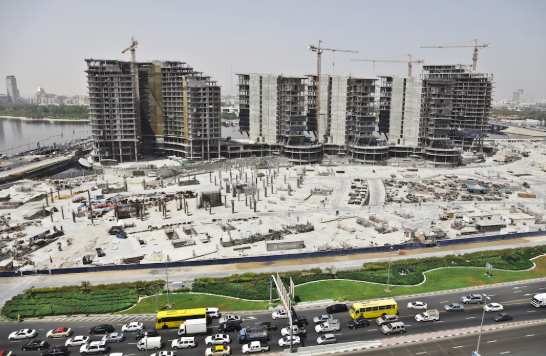
India’s urban story is evolving at breakneck speed. While megacities continue to expand, much of the true opportunity lies in smaller tier-2 and tier-3 cities, where rapid development is creating fresh growth corridors. However, across the country, one persistent challenge remains: stalled or underutilized construction projects. Reviving stalled construction projects India is no longer just a buzzword it’s becoming a central pillar in urban regeneration, sustainable growth, and investment confidence.
The Rise of Partnerships and PPP Models
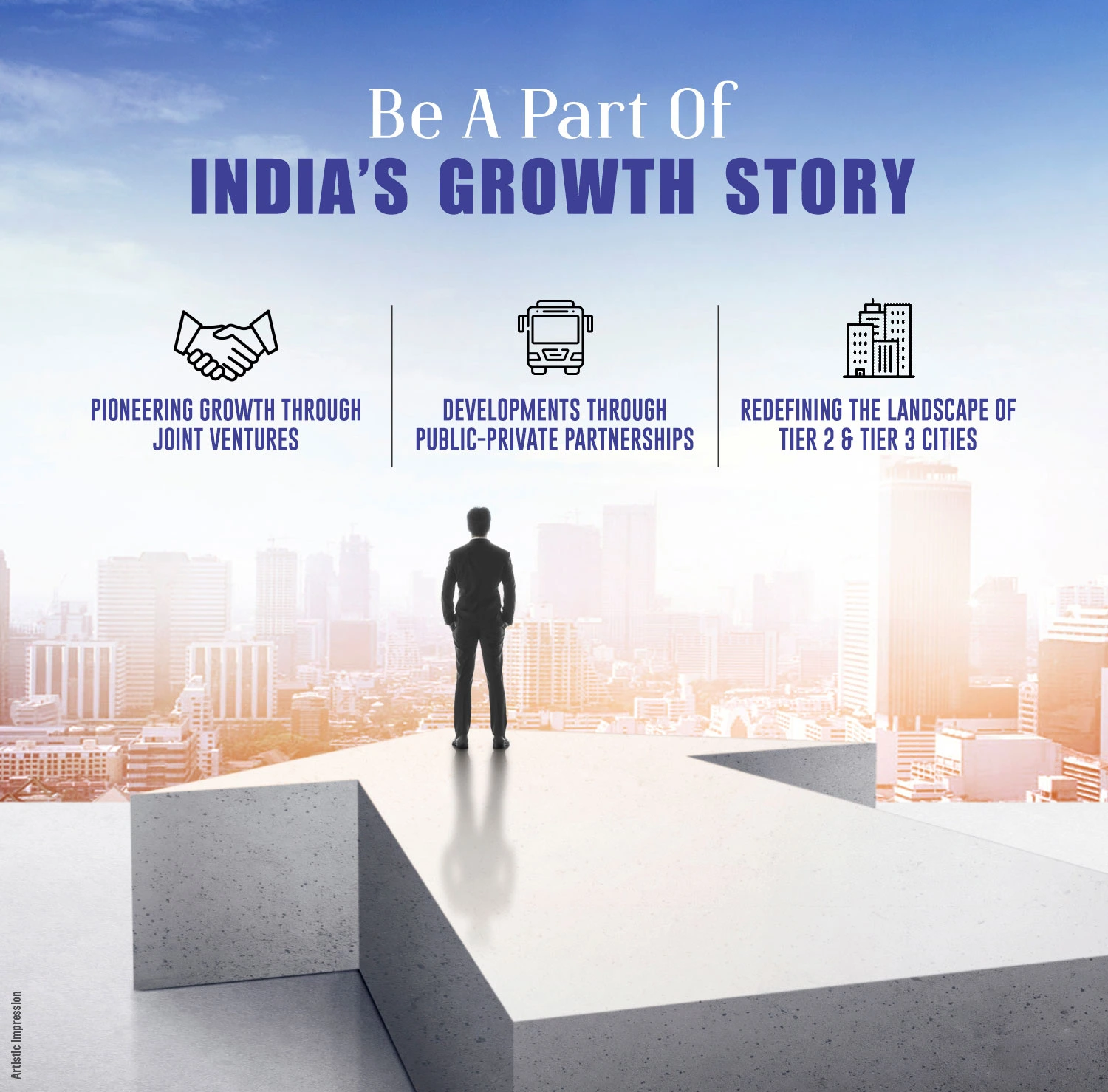
One of the biggest trends driving revival is the rise of public-private partnerships (PPP) and joint development models. Real estate firms are no longer working in isolation: they’re collaborating with governments, landowners, and other stakeholders to unlock latent value. Through these partnerships, developers can bring in capital, technical expertise, and innovation, while public agencies contribute land or regulatory support. This alignment dramatically cuts execution risk and accelerates development timelines.
Strategic Focus on Tier-2 and Tier-3 Cities
Another major shift is the focus on smaller cities. Rather than competing in already crowded metros, developers are turning their attention to cities where infrastructure is still nascent but demand potential is huge. By targeting these emerging urban centers, they can deliver high-quality, integrated developments that combine residential, commercial, and transit-oriented assets and in doing so, breathe new life into previously stalled projects.
Legacy Expertise Meets Innovation
A key enabler in reviving stalled construction projects India is leveraging the legacy expertise of established developers, while applying fresh collaborative models. One such firm is BeTogether, a new vertical by a veteran real estate group. With decades of experience behind it, the company is structured to take over under-leveraged or challenged projects, bring in disciplined execution, and deliver value to all stakeholders.
This blend of heritage and innovation allows the company to resurrect incomplete developments in a way that is financially viable, socially responsible, and commercially attractive.
Transforming Transit Infrastructure as Catalysts
Transit hubs are emerging as a strong lever for urban regeneration. By modernizing bus terminals or transport infrastructure through PPPs, developers are not just building standalone assets but integrated ecosystems. For instance, the company has secured contracts to revamp six key bus terminals in Uttar Pradesh including Lucknow, Ghaziabad, Ayodhya, and Prayagraj. These upgraded hubs will feature amenities like automated ticketing, air-conditioned lounges, escalators, retail zones and more making them vibrant, revenue-generating destinations.
These transit-led projects do more than serve commuters: they generate commercial footfall, drive mixed-use development, and create value not just for the public sector but also for investors and landowners.
Unlocking Land Value and Investor Confidence
Stalled construction projects typically suffer from financial stress, regulatory bottlenecks, or lack of execution muscle. By stepping in with structured joint ventures or development partnerships, developers can inject fresh capital, remove bottlenecks, and bring projects to fruition. This, in turn, restores investor confidence. Rather than worrying about abandoned sites, stakeholders see revived value, completed assets, and long-term ROI potential.
Importantly, this model aligns interests: landowners benefit from completed developments, the public gets infrastructure and amenities, and developers earn returns through well-planned, shared-growth models.
Sustainability, Legacy, and Responsible Development
Today’s revival strategies are not just about finishing construction they’re about responsible urban development. Projects are designed with sustainability in mind, emphasizing efficient land use, environmental sensitivity, and modern architectural thinking. By reviving stalled construction projects India in this way, developers are not just building houses or offices they’re building communities.
Legacy is also a guiding principle: companies rooted in long-term vision bring discipline, quality assurance, and institutional rigor to projects, reducing the risk of future stalls.
Accelerating Value Through Technology and Operational Excellence
Another powerful trend is the integration of technology and professional asset-management. Revival isn’t just about handing over shells successful projects require capital management, digital design, operational planning, and ongoing maintenance. Firms are increasingly deploying smart technologies, data analytics, and professional operations teams to make sure revived projects remain sustainable and profitable long term.
Future Outlook: A Transformed Urban Landscape
So what does the future look like for the Indian real estate industry? As trust returns, funding improves, and models scale, reviving stalled construction projects India will become not a niche but a mainstream growth lever. We’re likely to see:
- More PPP-led transit-oriented hubs – bus ports, rail stations, and last-mile transit centers will be reimagined as mixed-use nodes.
- Joint-venture redevelopments in smaller cities – previously idle plots will morph into thriving commercial and residential ecosystems.
- Stronger investor participation – as completion risk drops, both institutional and retail investors will return with confidence.
- Sustainable, inclusive growth – revived projects will not only generate profit, but also serve social infrastructure and community needs.
- Professional operations and future-ready infrastructure – modern maintenance models, energy-efficient design, and smart infrastructure will become standard.
Conclusion
Reviving stalled construction projects India isn’t just a development strategy it’s an urban renaissance. Collaboration-driven models, legacy expertise, modern transit infrastructure, and a sharp focus on tier-2 and tier-3 cities are combining to rewrite India’s development narrative. By championing these trends, firms like BeTogether are helping transform broken or abandoned assets into hubs of opportunity, value, and community.
In doing so, they’re not just completing buildings they’re completing dreams.
FAQs
What causes construction projects to stall in India?
Projects can stall due to financial difficulties, regulatory delays, land disputes, weak execution, lack of investor confidence, or changes in market demand.
How does BeTogether help in reviving stalled construction projects India?
BeTogether steps in with its joint-venture model, capital strength, development expertise, and a collaborative framework to complete under-leveraged or challenged projects through joint development and PPP.
Why is a PPP model effective for redevelopment in India?
PPP aligns public-sector objectives with private-sector execution, facilitating infrastructure investments, shared risk, professional implementation, and integrated development of transport, commercial, and residential assets.
Which cities does BeTogether focus on for redevelopment projects?
BeTogether targets Tier-2 and Tier-3 cities in India, focusing on value-rich but underdeveloped markets to bring modern infrastructure and mixed-use developments.
What are the long-term benefits of reviving stalled construction projects?
Long-term benefits include restored investor confidence, better land utilization, creation of transit-oriented growth hubs, sustainable infrastructure, and inclusive community development.